Workplace flooring has evolved significantly over the past few years, shifting from a functional necessity to a strategic design tool. Today, it plays a key role in supporting employee wellness, reinforcing brand identity, and enabling flexible, sustainable work environments.
As a result, in today’s corporate workplace market, two flooring categories dominate specifications based on corporate A&D (architecture & design) specifications, commercial flooring reports, and workplace design trends, reflecting the changing needs of modern offices.
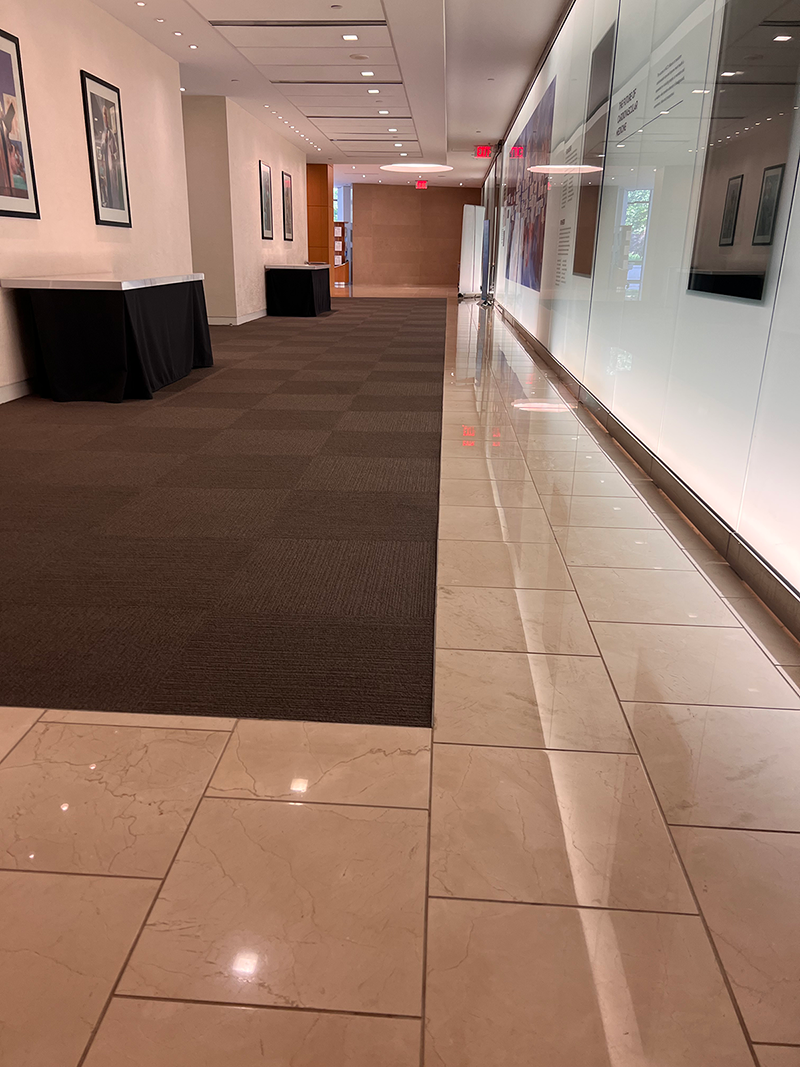
1. Carpet Tile (Modular Carpet)
The #1 most specified flooring for corporate offices
Why corporate designers choose it:
- Excellent acoustics (reduces office noise)
- Supports open-plan workplaces
- Easy replacement of damaged tiles
- Fast installation with minimal downtime
- Strong sustainability credentials (recycled backing)
- Design flexibility for zoning + branding
Typical Locations
- Open offices
- Workstations
- Collaboration areas
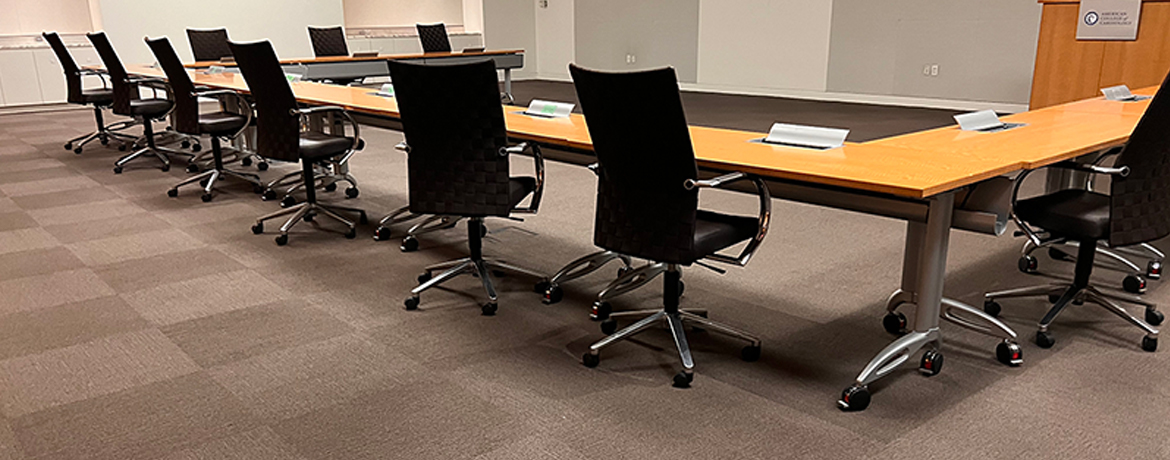
- Conference rooms
- Executive offices
Rough industry reality: Most corporate office square footage is still carpet tile.
Leading manufacturers often specified
- Interface
- Mannington
- Milliken
- Mohawk Group
- Shaw Contract
- Tarkett
2. Luxury Vinyl Tile (LVT) / Luxury Vinyl Plank (LVP)
Fastest-growing corporate flooring category and now specified alongside carpet tile, not instead of it.
Why it’s exploding in corporate projects:
- Hard surface look with durability
- Easy maintenance
- High moisture resistance
- Supports hospitality-style office design
- Lower lifecycle cost
Typical Locations
- Reception areas
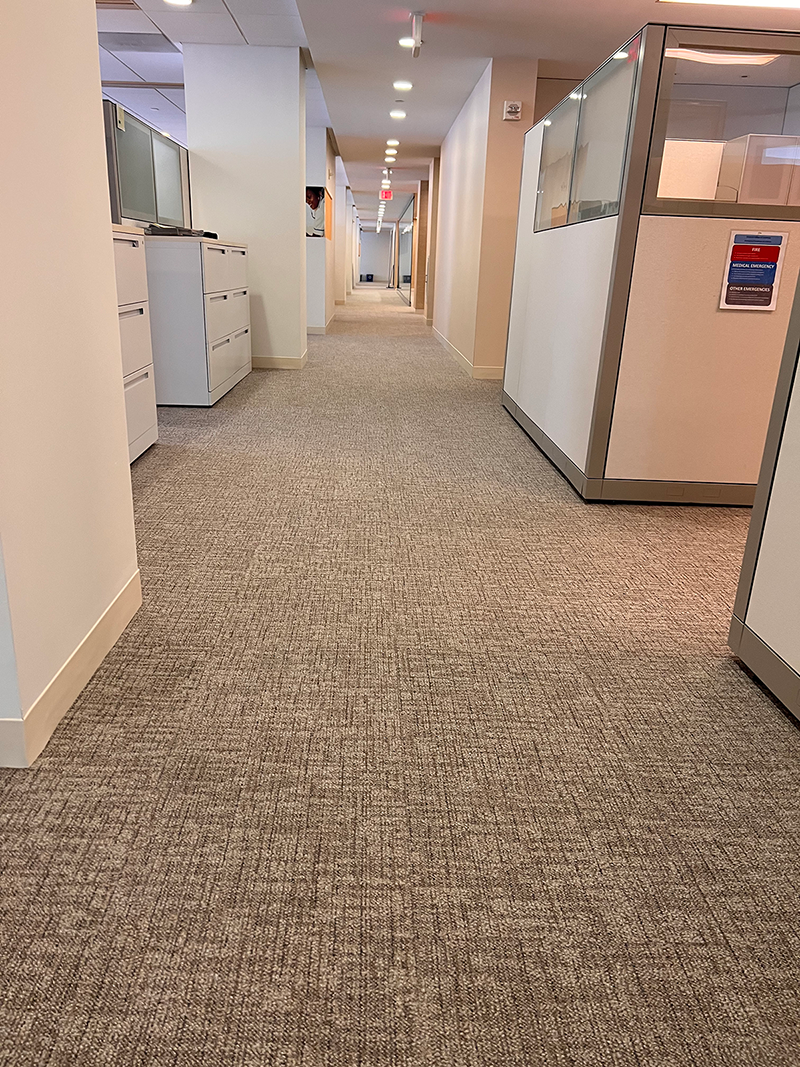
- Corridors & circulation paths
- Cafés & break rooms
- Copy/print areas
- Training rooms
Many modern offices use carpet tile + LVT transitions to define movement paths.
3. Hybrid Flooring Layouts (The Modern Standard)
Today’s corporate office rarely uses one flooring type.
Typical specification mix:
- 60–75% Carpet Tile
- 20–35% LVT
- 5–10% specialty flooring
Designers intentionally layer materials to support activity-based work.
4. Rubber Flooring (Selective Use)
Used mainly for:
- Wellness rooms
- Fitness areas
- High-traffic zones
Brands often specified:
- ECORE Athletic
- Nora Rubber
- Regupol
- Roppe
- Tarkett
5. Polished Concrete
Growing in tech and creative offices.
Pros:
- Industrial aesthetic
- Long lifespan
- Low maintenance
Cons:
- Poor acoustics → rarely used across entire office.
Why Carpet Tile Still Wins
Corporate real estate decision-makers prioritize:
- Acoustic performance
- Speed of renovation
- Operational downtime reduction
- Lifecycle cost
- Flexibility for churn
Modular Carpet tile solves these priorities better than any other product.
Corporate Flooring Trends (2024–2026)
The dominant concept: Soft + Hard Zoning Strategy
| Zone | Flooring |
| Focus work | Carpet tile |
| Circulation | LVT |
| Social hubs | LVT, polished concrete or area rugs |
| Meeting rooms | Carpet tile |
| Café areas | LVT |
Eagle Mat Commercial Floors provides premium flooring solutions for commercial environments. As a locally owned, family-operated company, we specialize in renovation projects across education, workplace, government, health & wellness, hospitality, and multifamily sectors.
With decades of experience, our team delivers quality craftsmanship and trusted results on every project. Explore our portfolio and contact us to learn more.